
Termite Control in Columbus
Safeguarding Your Property Investment from Costly Damage
Living in Columbus means dealing with high humidity and soil conditions that are ideal for subterranean termites. These silent invaders often go unnoticed until significant structural issues arise, such as sagging ceilings or hollowed-out support beams. Addressing these moisture-driven threats requires a proactive approach to protect your local property.
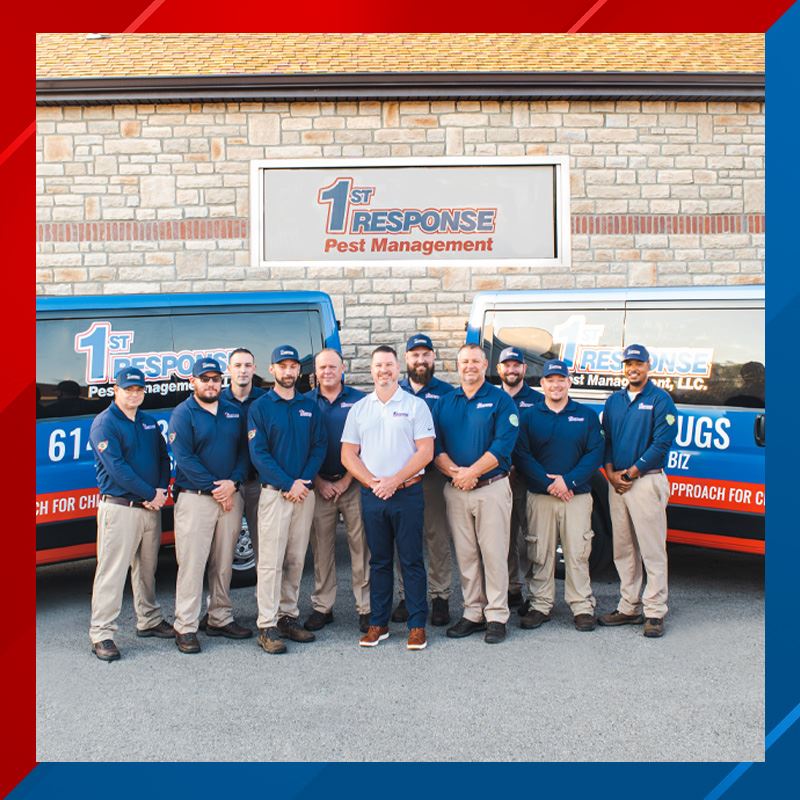
At 1st Response Pest Management, we bring over a decade of local experience and specialized ACE certification to every inspection. Our team uses eco-friendly, family-safe products to eliminate colonies effectively. We take pride in our award-winning white-glove service, ensuring your Columbus home remains secure and your family stays safe from harmful pests.
Dial (614) 591-7767 now or contact us online to schedule your specialized Termite Control service.
Signs You Need Professional Termite Control
Homeowners often miss the subtle indicators of a termite infestation because these pests thrive in dark, damp areas behind walls or under foundations. Identifying the problem early is the only way to prevent thousands of dollars in structural repairs that are rarely covered by standard insurance policies.
Keep a close eye out for these specific warning signs on your property:
- Mud Tubes: Small, pencil-sized tunnels made of soil and saliva running up your foundation or crawl space walls.
- Swarmers: Seeing winged termites or discarded wings near windowsills and doors, particularly after a warm spring rain.
- Hollow Wood: Wooden beams or baseboards that sound thin or empty when tapped with a tool or screwdriver.
- Tight Openings: Windows and doors that suddenly become difficult to open or close due to wood swelling from moisture and activity.
- Frass: Tiny, wood-colored droppings that look like piles of sawdust or sand near wooden structures or exit holes.
Understanding these signals can help you catch an infestation before the colony expands deep into the core of your home's framing and support systems.
Why Specialized Expertise Matters
Professional intervention is essential for termites because localized treatments rarely reach the heart of the colony. These pests are highly resilient and can survive deep underground or within structural voids that standard sprays cannot penetrate. Expert knowledge ensures every entry point is properly identified and sealed.
Attempting to handle wood-destroying organisms without specialized equipment often leads to a false sense of security. While you might kill visible workers, the queen remains active, allowing the population to rebound quickly. Professional-grade solutions provide a comprehensive barrier that protects the entire perimeter of your home.
Structural safety is the primary concern when dealing with infestations that remain hidden for years. A licensed expert understands the biology and behavior of local species, applying the correct concentrations of safe products. This precision protects your family while ensuring the home remains stable and pest-free long-term.


Seasonal Prevention and Moisture Management
Protecting your home from termites in the local area requires more than just a one-time treatment; it involves managing the environmental factors that attract these pests in the first place. Moisture is the single biggest attractant for subterranean termites. In a climate like ours, where rain and humidity are frequent, ensuring that water is diverted away from your foundation is critical. Regularly cleaning your gutters and extending downspouts can prevent the damp soil conditions that allow colonies to thrive near your home’s walls.
Additionally, pay close attention to your landscaping choices. While mulch looks beautiful, it can hold moisture and provide a direct bridge for termites to enter your siding. We recommend keeping mulch at least six inches away from the foundation and ensuring that any firewood or scrap lumber is stored far from the main structure and elevated off the ground. By reducing wood-to-soil contact and maintaining a dry perimeter, you create a less hospitable environment for wood-destroying insects. Combining these proactive habits with our professional monitoring ensures that your property remains a fortress against silent invaders throughout every season.
Reach out to (614) 591-7767 or contact us online to get your home protected by Termite Control experts.
FAQs About Termite Control
How do I know if I have termites or flying ants?
In Columbus, homeowners often confuse the two during swarming season. Termites have straight antennae, a uniform waist, and wings of equal length. Flying ants have elbowed antennae, constricted waists, and wings of unequal length. If you are ever unsure, the licensed professionals at 1st Response Pest Management can provide a definitive identification to ensure your home is treated correctly.
Are the termite treatments safe for my children and pets?
Yes, absolutely. At 1st Response Pest Management, we utilize a caring approach for children and pets. Our eco-friendly methods and products are high-quality and specifically selected to deliver effective results while remaining safe for your entire family. We prioritize your peace of mind by ensuring our applications are low-impact on the environment and your loved ones.
How often should my property be inspected for termites?
Given the humid conditions and soil types found in Central Ohio, we recommend a professional inspection at least once a year. Regular monitoring allows us to catch signs of "silent" damage—like mud tubes or hollow wood—before they become major structural issues. Our ACE-certified staff is trained to spot even the most subtle indicators that a DIY check might miss.
Does homeowners' insurance cover termite damage?
Standard homeowners' insurance policies rarely cover the cost of termite repairs or removal, as they consider infestations a preventable maintenance issue. This is why professional prevention is such a critical investment. By choosing a proactive plan with 1st Response Pest Management, you are safeguarding your property from the massive out-of-pocket expenses that can arise from untreated infestations.
How long does a typical termite treatment last?
The longevity of a treatment depends on the specific method used and the environment surrounding your home. Generally, our professional liquid barriers and baiting systems provide robust protection for several years. We offer ongoing monitoring and 24/7 phone support to ensure that your defensive barrier remains intact and your property stays truly secure.


-
About Us
-
Pest Library
-
Areas We Serve