
Termite Control in Columbus
Inspection & Treatment for Hidden Termite Activity
Subterranean termites can remain concealed in soil, foundation areas, crawl spaces, wall voids, and structural wood before a homeowner sees a swarmer or notices damage. Columbus termite control starts with identifying evidence of activity, conditions that may attract termites, and the areas of a property that need closer attention.
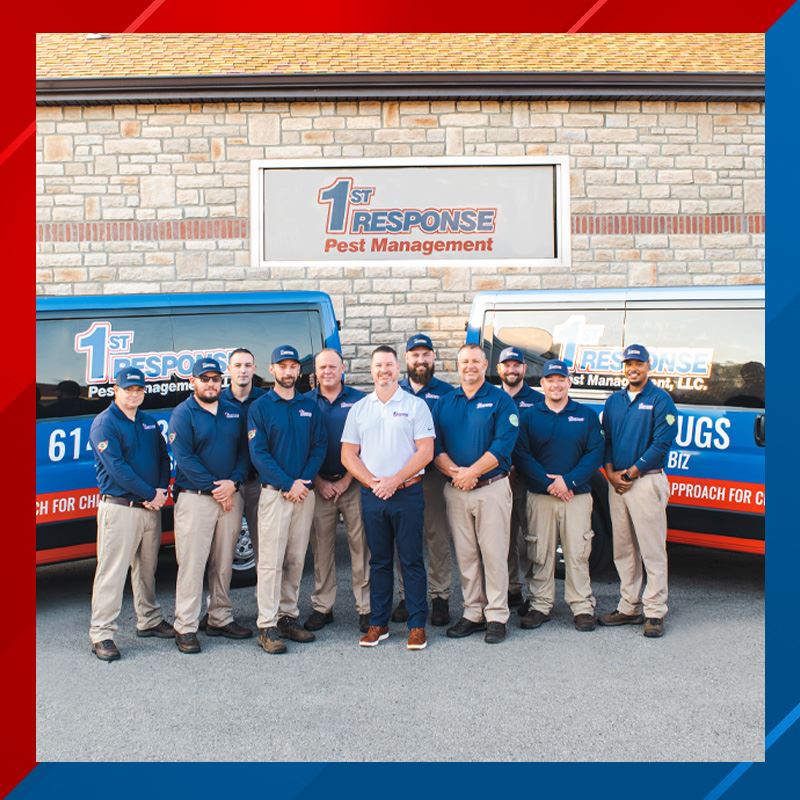
At 1st Response Pest Management, we provide termite control in Columbus and surrounding Central Ohio communities. Our licensed team includes an Associate Certified Entomologist and uses family- and pet-conscious methods designed with environmental responsibility in mind. We bring white-glove care to each property while recommending service based on the inspection findings and your structure.
Call (614) 591-7767 or contact us online to schedule termite control service in Columbus.
Signs That Warrant a Termite Inspection
Homeowners can miss the subtle indicators of termite activity because these pests often travel through dark, damp, or concealed areas behind walls and beneath foundations. A termite inspection can help identify visible evidence, likely entry points, moisture conditions, and wood-to-soil contact that may warrant treatment or monitoring.
Keep a close eye out for these warning signs on your property:
- Mud Tubes: Small, pencil-sized tunnels made of soil and saliva running up your foundation or crawl space walls.
- Swarmers: Seeing winged termites or discarded wings near windowsills and doors, particularly after a warm spring rain.
- Hollow Wood: Wooden beams or baseboards that sound thin or empty when tapped with a tool or screwdriver.
- Tight Openings: Windows and doors that suddenly become difficult to open or close due to swelling wood or moisture conditions.
- Frass: Tiny, wood-colored pellet-like droppings near wooden structures or exit holes. Note that visible frass piles are most commonly associated with drywood termites. The subterranean termites common in Central Ohio typically incorporate waste into their mud tubes rather than leaving loose droppings.
Flying ants can resemble termite swarmers, so uncertain identification is a good reason to request professional confirmation. Termite signs may appear around foundations, windows, doors, baseboards, and other areas where termites can reach wood.
Why Termite Training & Identification Matter
Professional intervention matters because localized treatments may not address termites traveling through soil, foundations, or concealed structural spaces. Our pest-management personnel use inspection findings to determine where evidence is visible and which treatment approach fits the property.
Attempting to handle wood-destroying organisms without the right identification or application guidance can create a false sense of security. Killing visible insects doesn’t confirm what is occurring in concealed areas, and an inspection has limits where materials or spaces aren’t accessible.
An Associate Certified Entomologist is on staff at 1st Response Pest Management, and our technicians and customer service representatives are licensed in pest management. We apply treatments according to product directions and provide treated-area and reentry instructions appropriate to the selected method.


Seasonal Prevention & Moisture Management
Protecting your home from termites involves managing conditions that can make areas around the structure more inviting. Keep gutters clear, direct downspouts away from the foundation, correct leaks, and address drainage concerns so water doesn’t collect near the home. Periodic termite inspection is particularly useful when a property has moisture problems, previous termite activity, crawl-space access concerns, or visible wood-to-soil contact.
Pay close attention to landscaping and stored materials near the structure. Mulch and dense vegetation shouldn’t create concealed, persistently damp contact against siding or foundation areas. Keep firewood and scrap lumber away from the main structure and elevated off the ground when possible. Reducing wood-to-soil contact can make it easier to spot conditions that deserve attention.
Frequently Asked Questions
How Do I Know If I Have Termites or Flying Ants?
Termites typically have straight antennae, a broad waist, and wings of roughly equal length. Flying ants have elbowed antennae, a narrow waist, and unequal wing lengths. If you’re unsure what you’ve found, our team can identify the insect and discuss whether an inspection is appropriate.
Are Termite Treatments Safe for Children & Pets?
Treatment safety depends on the product, application method, treated area, and label directions. We use family- and pet-conscious methods and provide preparation and reentry instructions for the treatment selected. Children and pets should remain away from treated areas as directed by the applicator and product label.
How Often Should My Property Be Inspected for Termites?
The right inspection schedule depends on property conditions, past termite activity, moisture concerns, and construction features. A professional can recommend an appropriate schedule after assessing your property. Contact us if you’ve noticed termite swarmers, mud tubes, damaged wood, or conditions that may allow termites to reach the structure.
Does Homeowners Insurance Cover Termite Damage?
Coverage depends on your individual policy. Termite damage is commonly subject to exclusions or limitations, so review your policy and ask your insurer about the coverage available for termite-related repairs or treatment.
How Long Does a Typical Termite Treatment Last?
Treatment duration varies by the product used, application method, property conditions, and any monitoring or service agreement. We offer ongoing monitoring and 24/7 phone support, and we can explain follow-up options for your property.
Since 2006, our locally owned team has provided property-specific pest control with family- and pet-conscious methods and white-glove care throughout Greater Columbus and Central Ohio.
Call (614) 591-7767 or contact us online to schedule a termite inspection and discuss the right next step for your property.


-
About Us
-
Pest Library
-
Areas We Serve